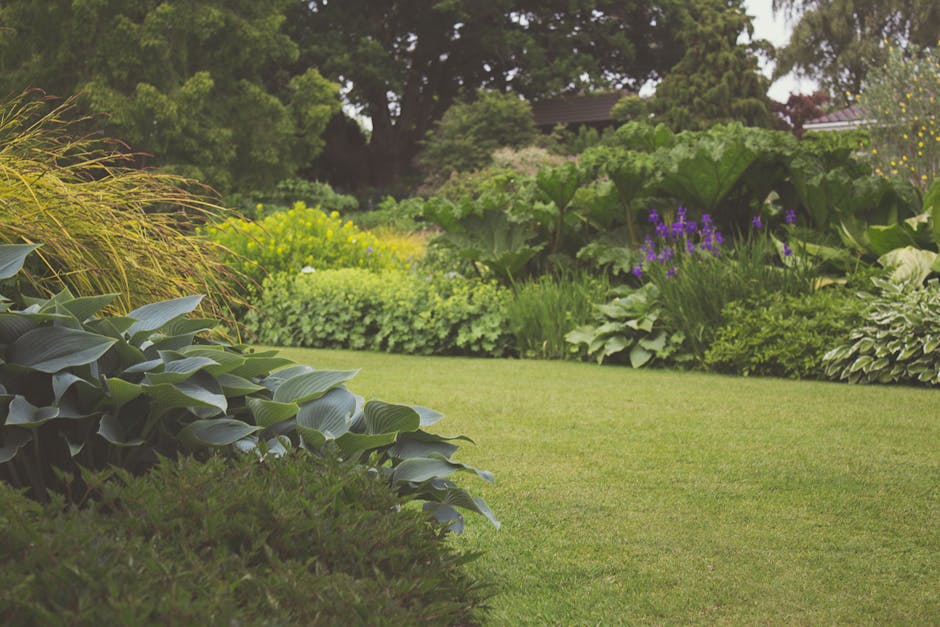
Common problems gardeners face in Mottingham gardens

If you garden in Mottingham, you already know the job is rarely as simple as cutting the grass and hoping for the best. Between shaded corners, heavy clay patches, awkward slopes, and the usual London mix of weather, pets, and busy lives, the same issues tend to crop up again and again. This guide looks at the common problems gardeners face in Mottingham gardens, why they happen, and what actually helps. Not theory. Real-world, usable advice.
Truth be told, most garden problems are manageable once you spot the pattern early. A lawn that looks tired in April may be struggling with compaction, not lack of effort. A hedge that keeps going patchy may be getting uneven light. A border that never seems to thrive may simply be sitting in the wrong soil. The trick is knowing what you are dealing with before you start throwing time and money at it.
Why Common problems gardeners face in Mottingham gardens Matters
Garden problems matter because small issues become expensive, messy, and time-consuming very quickly. A bit of moss in a lawn is one thing. Leave it, and you may end up with bare patches, drainage headaches, and repeated re-seeding that never quite takes. The same goes for hedges, trees, paving edges, and overgrown beds. Ignore them for a season and they can feel like a full weekend project every weekend after that.
In Mottingham, many gardens also sit within a typical suburban London rhythm: limited storage, narrow side access, shared boundaries, and not much spare time. That means the practical side of gardening matters as much as the horticulture. Can you get a mower to the back? Is there somewhere to compost waste? Will a tall hedge annoy the neighbour if it is left too long? These are the things that decide whether a garden stays manageable or becomes one more thing hanging over your head.
There is another angle too: presentation and property value. A tidy, healthy garden does not just look nicer from the kitchen window on a dull Tuesday morning. It also makes outdoor space more usable, safer, and more enjoyable for the people who actually live there. Let's face it, a garden should feel like part of the home, not a chore zone.
Expert summary: The biggest garden issues in Mottingham are usually not dramatic disasters. They are small, repeatable problems: poor drainage, inconsistent maintenance, compacted lawns, unruly hedges, and planting that does not suit the site. Deal with those early and the rest becomes much easier.
How Common problems gardeners face in Mottingham gardens Works
Most garden problems develop in a chain. One issue creates another, and before long the whole space feels harder to manage. For example, if a lawn gets cut too short in dry weather, the grass weakens. Weak grass invites weeds. Weeds spread into the borders. The borders need more attention. The lawn then looks patchy and uneven. One small habit, a few side effects, and suddenly you are fighting a larger job.
Mottingham gardens often face a mix of light, soil, and usage pressures. Some plots get long afternoon shade from fences, sheds, or mature trees. Others suffer from trampling, pet use, or people walking the same path over and over. In wet spells, soil can become heavy and sticky. In dry spells, it can crack or turn stubbornly hard. None of that is unusual. It just means the garden needs a slightly more considered approach.
Common symptoms include:
- lawns that look thin, patchy, or mossy
- hedges growing unevenly or becoming too wide
- beds full of weeds after one missed season
- trees casting too much shade or dropping debris
- water sitting in low spots after rain
- patios, decks, and paths becoming slippery
If you spot several of these together, do not panic. That is normal. Really normal. The main thing is to diagnose what is driving the problem rather than treating every symptom separately.
Key Benefits and Practical Advantages
Working through common garden problems properly brings benefits that go beyond appearance. It makes the garden easier to live with, easier to maintain, and much less stressful when seasons change. The difference is obvious after a wet week: a well-managed garden drains better, stays tidier, and needs less emergency fixing.
- Less ongoing effort: A structured garden takes less constant rescue work.
- Better growth: Plants, shrubs, and grass respond better when conditions suit them.
- Safer outdoor space: Clear paths, trimmed growth, and stable surfaces reduce trip risks.
- Improved kerb appeal: Neat edges and healthy planting make the whole property feel looked after.
- More usable space: You reclaim areas that were previously dominated by weeds, clutter, or shade.
- Lower waste: Regular upkeep usually creates less drastic garden clearance later.
A smaller but important benefit is confidence. Once you understand what your garden needs, you stop guessing. You know whether it needs mowing, pruning, feeding, drainage improvements, or a complete rethink. That clarity is worth a lot.
If your garden has got away from you a little, a structured garden maintenance plan can be the difference between constant catch-up and a garden you can actually enjoy.
Who This Is For and When It Makes Sense
This guide is for homeowners, landlords, tenants, and anyone looking after a garden in Mottingham who keeps thinking, "Why does this keep happening?" It is also useful if you have recently moved into a property and the outdoor space feels a bit overwhelming. New garden, same problems. Or different ones, which is even more annoying.
It makes sense to act when you notice any of the following:
- the lawn takes more effort than it used to
- hedges are growing into paths, fences, or neighbouring gardens
- trees are dropping too much shade, debris, or low branches
- you cannot keep on top of weeds despite regular tidying
- the garden has become difficult to access or use safely
- a previous DIY fix has not held up for long
This is also for people who are deciding between doing everything themselves and bringing in help. Some jobs are perfectly manageable with time and patience. Others, honestly, are not worth trying to battle on your own. A heavy clearance, an awkward tree, or a tired landscape layout can become a bit of a slog if the underlying problem has not been addressed.
And if you are comparing broader options, it is useful to look at the services overview before deciding which part of the garden needs attention first.
Step-by-Step Guidance
If you want to make progress without wasting effort, work through the garden in a sensible order. Not glamorous, I know. But it works.
- Walk the garden after rain and in dry weather. You will notice different problems depending on conditions. A soggy lawn in the morning and dusty borders later on tells you a lot.
- List the main trouble spots. Focus on what is stopping the garden from being used properly: access, mess, shade, weeds, overgrowth, or poor drainage.
- Separate symptoms from causes. Moss on a lawn is a symptom. Shade, compaction, and poor airflow may be the cause. That distinction matters.
- Decide what can be handled with routine care. Some problems only need regular mowing, hedge cutting, or weed removal.
- Identify jobs that need a bigger intervention. If a border is choked, a hedge has gone wild, or a tree is affecting light and safety, a more structured approach may be needed.
- Set a maintenance rhythm. Weekly, fortnightly, monthly, seasonal. Whatever is realistic for the garden and your schedule.
- Review after one full growing cycle. A garden often tells you what worked and what did not by the next season.
A practical example: if your lawn is patchy but the border weeds are the real issue, sort the weeds first. Otherwise you will keep mowing around mess and thinking the lawn is the only problem. It rarely is.
For overgrown boundaries, a tidy hedge trimming routine often helps more than a one-off heavy cut, because the shape stays manageable from the start.
Expert Tips for Better Results
Here are the small, useful things that make a proper difference.
Work with the site, not against it
If one corner is shaded all year, do not keep forcing sun-loving plants into it. Pick shade-tolerant planting, mulch well, and accept that the space has limits. It is not a failure; it is just the site being honest.
Cut less, but more consistently
Many lawns and hedges suffer from being left too long, then hacked back hard. Regular, lighter maintenance usually produces a cleaner result and less stress on the plant. You will also spend less time trying to fix the aftermath. Which, frankly, is a relief.
Watch drainage clues early
Persistent puddles, squelchy turf, algae on paving, and water pooling near fences are all signs to look closer. You may not need a full rebuild, but you probably do need better surface management or layout adjustments.
Keep edges sharp
It sounds minor, but crisp lawn edges and clear borders make a garden feel intentional. Even when the rest is only half-finished, the place looks more under control. Funny how that works.
Use the right type of clear-up for the scale of the mess
If you are dealing with branches, brambles, broken pots, and years of buildup, regular tidying is not enough. A proper garden clearance approach saves time and removes the background noise that keeps you from seeing the real structure of the garden.
Be cautious with trees and large shrubs
Heavy pruning can change light, privacy, and even how wind moves through a garden. That is especially important in smaller plots where one mature tree affects half the space. In those cases, think carefully before cutting. A little restraint goes a long way.
Common Mistakes to Avoid
Most garden setbacks are surprisingly avoidable. The same mistakes show up again and again.
- Ignoring the cause: Treating moss, weeds, or patchiness without asking why they keep coming back.
- Cutting too much at once: This applies to lawns, hedges, shrubs, and even some trees. Harsh cuts can set things back.
- Leaving clearance jobs half done: A garden left "nearly tidy" often becomes messier, not tidier.
- Overplanting small spaces: Dense planting looks lovely for a few weeks, then turns into competition for light and moisture.
- Using the wrong tool for the job: A blunt mower blade or poor pruning tool can damage plants and make the finish rough.
- Skipping regular maintenance: Garden work is much easier when it is paced out. The backlog is what bites.
A very human mistake is trying to solve a garden problem in one heroic afternoon. Admirable, yes. Sustainable, not always. Gardens respond better to steady attention than big dramatic rescues.
For bigger trees or branches near roofs, sheds, or boundary lines, professional tree lopping and removal may be the safer route than a risky weekend climb with a borrowed saw.
Tools, Resources and Recommendations
You do not need a van full of equipment to handle most garden issues, but a few basics help enormously.
- Sharp hand tools: Clean cuts are better for plants and faster for you.
- Reliable mower: Particularly important where lawns are used regularly and need a consistent finish.
- Rake and aeration fork: Useful for removing thatch and helping compacted ground breathe.
- Spade and border fork: Handy for dividing, lifting, and reshaping beds.
- Wheelbarrow or sacks: Essential when dealing with cuttings, soil, or light clearance work.
- Gloves and eye protection: Sensible for thorny, woody, or debris-heavy jobs.
If your garden struggles because the layout itself is the issue, not just the upkeep, then broader landscape gardening or landscaping work may be the smarter long-term fix. Sometimes the garden is basically asking for a redesign, quietly, in plant form.
For regular cutting tasks, a consistent lawn mowing routine can stop grass from getting away from you and reduce the cycle of stress, scruffy edges, and uneven patches.
If you are unsure what level of help you need, start with a clear quote request through pricing and quotes. That at least gives you a practical baseline.
Law, Compliance, Standards, or Best Practice
For most household gardens, the key legal and safety issues are fairly simple: work safely, avoid putting neighbours at risk, and do not create hazards that could cause injury or nuisance. That includes being sensible with ladders, power tools, branch cutting, waste handling, and any work near fences, boundary lines, or overhead hazards.
There are also practical standards worth following even when no law is directly involved. For example, it is good practice to keep paths clear, remove unstable debris, avoid leaving sharp cut stems exposed, and deal carefully with tree work rather than assuming every branch can be shortened without consequence. With bigger jobs, insurance and safety matter a great deal. If someone is working on your property, it is sensible to ask how they handle risk, waste, and access.
Environmental care matters too. Garden waste should be managed responsibly, and where possible, material should be recycled or reused rather than simply dumped. A well-run service should be able to explain its approach in plain English. If sustainability matters to you, it is worth checking a provider's recycling and sustainability approach before work begins.
Finally, if you are hiring help, read terms carefully. Payment expectations, cancellations, and the scope of work should be clear before anyone starts. It saves awkwardness later. No one enjoys that phone call.
Options, Methods, or Comparison Table
Different garden problems call for different responses. The table below gives a simple comparison of common approaches.
| Problem | Best approach | What to expect | When to escalate |
|---|---|---|---|
| Patchy lawn | Regular mowing, aeration, overseeding, improved care | Gradual improvement over a season | If bare areas keep returning |
| Overgrown hedge | Careful trimming and shaping | Cleaner outline and better light | If it is too tall, wide, or unstable |
| Weed-choked beds | Clearance, re-edging, mulching, routine weeding | Immediate improvement and easier upkeep | If roots and debris keep reappearing |
| Poor drainage | Surface review, soil improvement, layout changes | Reduced pooling and healthier planting | If the area remains waterlogged |
| Messy, unusable garden | Full clearance and phased maintenance | A fresh starting point | If clutter returns quickly |
The useful thing here is that not every issue needs a big intervention. Some gardens just need a better rhythm. Others need a reset. Knowing which is which saves time and money.
Case Study or Real-World Example
A typical Mottingham garden might start with a patchy lawn, a hedge spilling over the fence, and a back corner full of old pots, broken canes, and dead growth. On paper, that sounds like three separate problems. In practice, it is usually one story: the garden has not been maintained in a way that suits the space.
The fix would usually begin with clearance of the worst clutter, then a clean-up of the hedge line, then a look at the lawn. If the lawn is compacted, mowing alone will not fix it. If the hedge is blocking too much light, the lawn may never improve properly until the boundary is addressed. That is the bit people miss. Everything is connected.
After the main problems are removed, a sensible maintenance schedule keeps the garden from sliding back. That may mean monthly visits in quieter periods, more frequent grass cutting in peak growth, and seasonal pruning rather than one-off emergency cuts. A garden does not need perfection. It needs momentum.
One homeowner may want to keep things simple and just restore usability. Another may want a more complete visual refresh. Both are valid. The point is to match the method to the actual garden, not to an idealised picture of what a garden "should" be.
Practical Checklist
Use this checklist when you are deciding what to tackle first.
- Have I identified the biggest problem, not just the most visible one?
- Do I know whether the issue is caused by light, soil, water, access, or neglect?
- Is this a routine maintenance job or a bigger clearance task?
- Are any hedges, trees, or structures affecting safety or usability?
- Would a seasonal plan work better than a one-off effort?
- Do I need clearer boundaries, edging, or layout changes?
- Is there waste, debris, or overgrowth that needs proper removal?
- Have I checked whether the problem comes back after mowing, pruning, or weeding?
- Do I have the right tools, time, and confidence to do it safely?
- Would professional support save me time and reduce risk?
If several answers are "not really," that is useful information. It means you can stop guessing and choose a better route.
Conclusion
Common problems gardeners face in Mottingham gardens usually come down to the same few things: maintenance that falls behind, conditions that do not suit the planting, lawns that are treated too casually, and hedges or trees that gradually take over. None of that is unusual, and none of it means your garden is beyond help.
The best results come from looking at the whole space rather than chasing isolated symptoms. Once you understand whether you need regular maintenance, a tidy clearance, a layout rethink, or safer tree and hedge work, the garden becomes much easier to manage. Small decisions, made early, save a lot of effort later. And honestly, the garden feels better for it.
When the weather turns mild and you can hear the birds properly again, a well-kept garden feels like a little bit of breathing space. That matters more than people think.
Get a free quote today and see how much you can save.
Frequently Asked Questions
What are the most common garden problems in Mottingham?
The most common issues are patchy lawns, overgrown hedges, weeds in borders, poor drainage, heavy shade, and general clutter building up over time. In many gardens, several of these appear together rather than on their own.
Why does my lawn keep going mossy?
Moss usually points to underlying conditions such as shade, compaction, poor drainage, or very short mowing. It is worth checking the cause first, because treating moss alone rarely fixes the problem for long.
How often should hedges be trimmed?
That depends on the hedge type and growth rate, but many gardens benefit from regular light trimming rather than one heavy cut. Frequent attention usually keeps the hedge neat and reduces stress on the plant.
When does a garden need full clearance rather than maintenance?
If the space is blocked by thick weeds, dead growth, broken items, or old debris, a full clearance may be the better starting point. Maintenance works best once the garden is already in a reasonably manageable state.
Can tree shade really affect the whole garden?
Yes, it can. Shade changes how grass grows, how quickly soil dries, and which plants will cope. In smaller gardens, one mature tree can influence a surprisingly large area.
Is it worth improving a tired garden in stages?
Often, yes. Staged improvements are practical when time or budget is limited. You can clear, sort the worst issues, and then build towards a better long-term layout or routine.
What is the biggest mistake people make with problem gardens?
Trying to fix everything at once without understanding the cause. That usually leads to wasted time and repeated work. A slower, clearer approach is often more effective.
Do I need specialist help for tree work?
If branches are large, awkward, or close to structures, specialist help is usually the safer option. Tree work can affect stability, safety, and nearby planting, so it is not a job to rush.
How can I stop weeds coming back so fast?
Regular removal, mulching, clear edging, and consistent maintenance all help. The key is making the garden less inviting to weeds in the first place, rather than only pulling them when they are obvious.
What should I ask before hiring garden help?
Ask what is included, how waste will be handled, whether the work is insured, and what the realistic outcome will be. Clear expectations keep the whole process calmer and more straightforward.
Can a poor garden layout make maintenance harder?
Absolutely. If access is awkward, beds are poorly placed, or paths are too narrow, even basic jobs become a hassle. That is where landscaping or a layout rethink can make a big difference.
What is the first thing to do if my garden feels overwhelming?
Start with a simple walk-through and identify the one issue that is causing the most stress. Once you know that, it becomes much easier to decide whether you need maintenance, clearance, pruning, or a broader redesign.
For a deeper look at the services available, you may also want to explore the company's about us page and see whether the approach feels like the right fit for your garden.