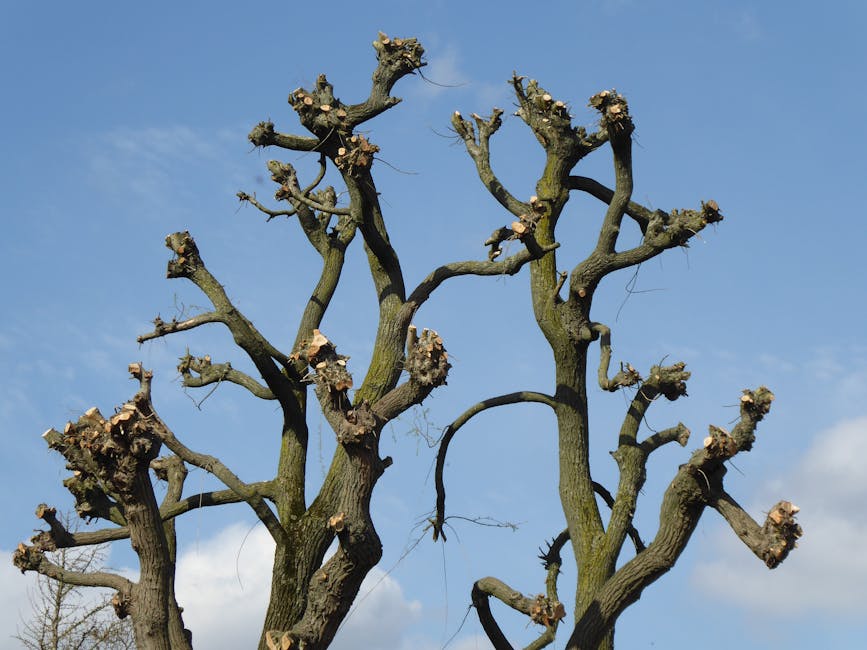
Greenwich council permits for tree works gardeners must know
If you're planning tree pruning, reduction, felling, or even a tidy-up that looks simple on the surface, Greenwich council permits for tree works gardeners must know can quickly become the bit that trips people up. One wrong assumption and a routine job can turn into a delay, a fine, or an awkward call with a client who thought the work was straightforward.
This guide is written for gardeners, landscapers, and property owners who want the practical version, not the vague version. We'll cover how permissions work, why they matter, what usually triggers extra checks, and how to stay on the safe side without overcomplicating the job. If you work in or around Greenwich, this is one of those topics that pays to understand early. Let's face it, tree work is rarely just about the tree.
Why Greenwich council permits for tree works gardeners must know matters
Tree work looks harmless until you bump into the rules around protected trees, conservation areas, planning constraints, or simply the neighbour who notices a branch pile before anyone else does. In Greenwich, as in many London boroughs, permissions can be central to whether a job can legally go ahead at all.
The key point is simple: not every tree can be cut, felled, or heavily reduced just because a client wants it done. Some trees are protected by a Tree Preservation Order, some sit in a conservation area, and some may be affected by broader planning conditions. You don't need to turn into a council officer to do garden work, but you do need to recognise the signs early.
For gardeners, this matters because tree work often sits right on the boundary between routine maintenance and regulated arboricultural work. A small crown lift may be fine. A significant reduction? That can be a different story. The difference is where the risk lives.
And there's a business angle too. If you quote a job without checking permissions, you may underprice the time, miss the admin, or create a delay that makes you look disorganised. Nobody wants to be the person standing by a chipper on a damp Tuesday morning while permission questions are still unresolved. Slightly unglamorous, but very real.
How Greenwich council permits for tree works gardeners must know works
In practice, tree permissions in Greenwich usually revolve around whether the tree is protected and what kind of work is proposed. The council may need to review a formal application or notice before the work can take place. That sounds bureaucratic, but it is mainly there to control unnecessary loss or damage to important trees.
Here's the broad picture. If a tree is protected, the type of work, the reason for it, and the location all matter. If the tree is in a conservation area, you may have to give notice before carrying out certain work. In some situations, emergency work can be justified, but you should still document what happened and why. That bit often gets missed.
The practical workflow is usually:
- Identify the tree and the site constraints.
- Check whether the tree is protected or affected by planning controls.
- Decide whether the proposed work is routine maintenance or something that needs permission.
- Prepare the information needed for the council, if required.
- Wait for approval, a notice period, or written confirmation before proceeding.
- Carry out the work in line with any conditions attached.
One thing gardeners sometimes overlook is that a client's urgency does not override the process. A tree can be overgrown, in the way, or dropping debris all over the lawn, but that still doesn't automatically mean work can begin immediately. You may need to separate the practical need from the regulatory need. They are not always the same thing.
If you already provide broader garden work such as maintenance, hedging, or clearance, it helps to treat tree checks as a standard pre-job step rather than a special event. That mindset saves time. It also reduces the chance of missed details. For jobs involving more extensive site tidying, services like garden clearance or wider garden maintenance often sit alongside tree work, so the permissions check should happen before the first cut, not after.
Key benefits and practical advantages
It's easy to see permits as a headache. Truth be told, a little admin can save a lot of mess later. When handled properly, council permissions for tree works bring a few solid advantages.
- Legal clarity: You know what can be done, by whom, and under what conditions.
- Better client trust: Clients feel reassured when you explain the process clearly.
- Fewer delays: Checking early avoids work stopping halfway through because the paperwork was missed.
- Lower risk of disputes: Clear records make it easier to show that the right steps were followed.
- More professional quoting: You can include any permit-related admin time before the job starts.
There's also a quality benefit. When tree works are planned properly, the result is usually cleaner and more considered. That matters in Greenwich, where properties may have tight access, mature planting, and neighbour visibility all in the same patch. A rushed tree job in a small urban garden can look rough fast. You know the kind of thing: one side clipped, one side ignored, and a pile of green waste sitting on the path while everyone waits for a decision.
Handled well, permissions don't slow down good work. They support it.
Expert summary: The safest approach is to treat tree permissions as part of job planning, not as an afterthought. If a tree might be protected, assume checks are needed until you confirm otherwise.
Who this is for and when it makes sense
This topic is not just for arborists. It matters to anyone who touches trees as part of garden work in Greenwich or nearby parts of London.
You'll want to pay close attention if you are:
- a gardener carrying out routine pruning or shaping
- a landscaper managing a redesign that includes mature trees
- a property manager overseeing multiple gardens or communal areas
- a homeowner planning to remove or reduce a tree
- a landlord trying to avoid tenant complaints and neighbour disputes
- a contractor who offers both soft landscaping and tree-related work
It makes sense to check permissions whenever the work involves a tree that is mature, prominent, near a boundary, or simply looks like it might be protected. If the tree is large enough to be a feature in the street scene, odds are it deserves a second look.
There are also jobs where the decision is less about the tree itself and more about what surrounds it. For example, if you are clearing a neglected back garden, a hidden tree may be revealed halfway through the job. That is exactly when people get caught out. One minute it's brambles and old pots, next minute there's a sizeable tree with a trunk that looks like it has been there since the days of cassette tapes.
To keep things practical, think of this as a risk filter. If the job touches anything that might be regulated, slow down and check before you cut.
Step-by-step guidance
Here is a clear, field-friendly process you can use before undertaking tree work in Greenwich. It is not a substitute for formal advice where needed, but it is a strong working method.
1. Inspect the site properly
Look at the tree from different angles. Check the trunk, crown, root area, boundary lines, and nearby structures. A quick glance from the gate is not enough. You want to know what you are dealing with before you promise anything.
2. Ask the right questions
Who owns the tree? Is the work routine pruning or something more substantial? Has the tree ever been mentioned in previous planning documents? Is it in a conservation area? These simple questions can change the entire route you take.
3. Check for signs that permissions may be needed
Protected trees, conservation area locations, and trees linked to planning conditions are the main triggers. If the site is within a managed estate or shared space, the management company may also have its own process. Messy? Sometimes. But manageable.
4. Record the proposed work clearly
Write down what is being done and why. Keep it plain English. For example: "reduce one side of the crown to improve clearance from the roof" is more helpful than "general tidy-up," which could mean just about anything.
5. Do not start until you are satisfied the right permission is in place
This is the bit people rush. If you are unsure, pause. A short delay now is far better than explaining later why the saw came out too early.
6. Carry out the work carefully and keep records
Photos before and after, notes on dates, and a copy of any permission or confirmation can be useful. Not every job needs a mountain of paperwork, but a sensible record is worth its weight in peace of mind.
If the job also involves broader landscaping changes, it may help to review the wider scope at the same time. For some properties, tree work is part of a more complete garden refresh, and that can involve landscape gardening or landscaping decisions as well.
Expert tips for better results
Over the years, the jobs that go smoothly usually share the same habits. Nothing flashy. Just disciplined planning and decent communication.
- Check before quoting: If there is any chance the tree is protected, factor in time for checks before you issue a fixed price.
- Use photos early: Good photos help everyone understand the exact work being proposed.
- Separate maintenance from major works: Routine trimming is not the same as a substantial reduction, and the distinction matters.
- Be careful with "dead wood only" assumptions: Even apparently small jobs can raise questions on protected trees.
- Keep neighbours in mind: Noise, access, debris, and sight lines can all become issues in dense residential areas.
A practical tip many gardeners appreciate: if a tree sits close to a fence, wall, or shared boundary, assume someone may ask questions later. Better to have the answers ready while the kettle's still warm. Small habit, big payoff.
Another good one is to build a standard permissions check into your job sheet. That way the process becomes normal, not dramatic. A lot of compliance problems start because people treat one job as "obviously fine" and skip the check. Then the next job copies the same habit. That's how trouble gets comfortable.
Common mistakes to avoid
Most permit problems are not caused by bad intentions. They happen because someone moved too quickly or assumed the work was straightforward. Here are the mistakes that come up again and again.
- Assuming every prune is exempt: Even light-looking tree work can still fall within controls.
- Relying on verbal permission only: If the work is regulated, get clear written confirmation where possible.
- Forgetting about conservation areas: People often check for tree orders but forget area-wide restrictions.
- Starting urgent work without documenting the reason: Emergency situations need evidence, not just good intentions.
- Confusing tree work with general gardening: A hedge trim is one thing; structural tree work is another.
- Ignoring client ownership questions: You need to know who has authority to request the work.
There is also a classic mistake: underestimating how long admin takes. Even when the actual tree work is quick, the lead-in can take longer than expected. If you have ever watched a tidy one-hour job turn into a two-week wait because the permissions stage was left to the end, you will know exactly what I mean.
And yes, the paperwork part can feel dull. But dull is often where the savings live.
Tools, resources and recommendations
For tree work in Greenwich, you do not need a complicated toolkit to handle the permissions side. What you do need is a simple system that helps you keep track of details.
Useful items to have on hand
- a site survey checklist
- a camera or phone for dated photos
- basic mapping or location notes
- a written scope of works
- a record of client instructions
- a folder for permissions and approvals
Useful service pairings
Tree work often sits beside other garden services. If the site needs a broader reset after pruning or felling, a package that includes tree lopping and removal plus garden clearance may be appropriate. For ongoing upkeep, hedge trimming and lawn mowing can keep the whole space looking intentional rather than half-finished.
Good working habits
- Keep job notes short but specific.
- Store before-and-after photos in the same folder.
- Record any council reference numbers or written responses.
- Flag protected-tree concerns at the quoting stage.
If you are comparing what level of service is needed, it may help to look at a provider's overall offering before diving into a single task. A clear services overview makes it easier to see whether the team is set up for general garden work, tree-related jobs, or both.
Law, compliance, standards, or best practice
Tree work in England can be affected by local tree protection controls, planning rules, ownership issues, and health and safety obligations. The exact permission route depends on the site and the tree, so it is wise to avoid blanket assumptions. If a tree is protected, or the area is covered by special planning controls, the work may require formal notice or consent before it begins.
Best practice usually includes three things: identify the legal status of the tree, describe the proposed work accurately, and keep proof of approval or lawful exemption. That is the practical version. Not glamorous, but solid.
From a safety point of view, tree work also needs careful handling because falling branches, tools, working at height, and debris all introduce risk. Reputable operators will normally pay attention to safe access, equipment condition, personal protective equipment, and site control. If you want to understand a contractor's wider approach to safe working, their health and safety policy and insurance and safety information are useful places to look.
A final compliance point that people miss: tree work is not only about cutting. Disposal of arisings, site cleanliness, and environmental handling matter too. If your project creates a lot of waste timber, branches, or green material, make sure your disposal plan is sorted. That avoids the awkward "where does all this go?" moment after the last limb comes down.
Options, methods, or comparison table
Not every tree job needs the same level of intervention, and not every intervention needs the same level of permission review. This quick comparison helps clarify the usual choices.
| Method | Typical use | Permission risk | Practical note |
|---|---|---|---|
| Light pruning | Routine shape correction or small maintenance cuts | Lower, but not zero | Still check if the tree is protected or within a conservation area |
| Crown reduction | Reducing height or spread | Moderate to higher | Needs a clear reason and careful description |
| Crown lifting | Raising clearance beneath the canopy | Varies | Can be allowed, but the scale of work matters |
| Sectional dismantling | Removing a tree in pieces, often near buildings | Higher | Usually requires the strongest level of justification |
| Emergency removal | Immediate risk situations after storm damage or instability | Special case | Document the hazard and keep evidence of why urgent action was needed |
For some jobs, especially after bad weather, it can help to compare whether the issue is urgent or merely inconvenient. There is a real difference. A cracked limb over a path is not the same as a tree that looks untidy. That sounds obvious, but in practice the line gets blurry. Very blurry.
Case study or real-world example
Here's a realistic example based on the kind of work gardeners run into all the time. A homeowner in Greenwich asks for a mature tree to be reduced because it shades the patio and drops leaves into the pond. The request sounds simple enough. The garden is neat, access is narrow, and the tree has been there for years.
Before giving the green light, the gardener checks the tree status and notices it may be covered by a protection measure or affected by area controls. Instead of sending a vague quote and hoping for the best, they explain that permission may be needed first. The client is slightly disappointed, naturally, but relieved that the issue is being handled properly.
The result? The tree work is delayed briefly while the correct steps are taken. The job then proceeds with a clear scope, no surprises, and the client gets exactly what was agreed. The garden ends up looking balanced, the tree remains healthy, and nobody has to do the stressful back-and-forth that happens when work starts too early.
That's the ideal outcome. A bit of patience, a bit of admin, and much less drama later on.
Practical checklist
Use this checklist before starting tree-related work in Greenwich.
- Confirm who owns or controls the tree.
- Check whether the tree may be protected.
- Check whether the site is in a conservation area.
- Write down the exact work to be done.
- Take clear photos of the tree and the site.
- Confirm whether written permission or notice is needed.
- Do not begin work until the correct process is complete.
- Keep records of approval, instructions, and dates.
- Plan for waste removal and site tidying.
- Make sure safety measures are in place before tools come out.
Quick reminder: if anything feels uncertain, pause and check. That one pause can save a surprising amount of trouble.
Conclusion
Greenwich council permits for tree works gardeners must know are not just a technical detail. They are part of working properly, protecting the client's property, and avoiding unnecessary risk. Once you know what to look for, the process becomes much more manageable. In many cases, it is less about memorising rules and more about building a habit: check the tree, check the site, check the paperwork, then cut.
That habit pays off. It keeps jobs smoother, quotes more accurate, and conversations with clients more confident. And in a busy London borough where gardens can be small, mature, and tightly packed around boundaries, that confidence matters a lot.
If you are planning tree work and want a clearer path from first inspection to final tidy-up, start with the permissions question before anything else. It's the sensible move, even if it does slow the first five minutes down a touch.
Get a free quote today and see how much you can save.
Frequently Asked Questions
Do all tree works in Greenwich need council permission?
No, not all tree work needs permission. Routine work may be allowed in some situations, but protected trees, conservation areas, and planning-related restrictions can change the picture quickly. Always check first if there is any doubt.
How do I know if a tree is protected?
You usually need to check the site status and any local records or property information available to you. A tree that looks ordinary can still be protected, so appearance alone is not enough.
What counts as tree works rather than general garden maintenance?
General maintenance might include mowing, hedge trimming, and routine tidying. Tree works usually refers to pruning, reducing, felling, or more structural work on a tree. The distinction matters because the rules are often different.
Can I carry out emergency tree work straight away?
Sometimes, if there is immediate danger, urgent work can be justified. Even then, it is wise to document the hazard, take photos, and keep notes showing why the work could not wait.
What happens if tree work starts without the right permission?
That can lead to delays, enforcement issues, or disputes about responsibility. The exact outcome depends on the situation, but the safest route is to avoid starting until you are sure the correct process has been followed.
Is a neighbour's agreement enough?
Not always. A neighbour may be fine with the work, but that does not replace council requirements where protected trees or planning controls apply. Permission and ownership are separate questions.
Should gardeners check permissions before quoting?
Yes, ideally. It helps avoid underquoting, prevents awkward delays, and gives the client a more realistic timeline. A quick check at the start can save a lot of backtracking later.
Do conservation areas affect small pruning jobs too?
They can. The scale and type of work matter, but conservation area controls are not something to ignore just because the job looks minor. If the tree is in one, it is worth checking.
What documents should I keep after tree work?
Keep photos, notes on the requested work, any permission or notice confirmation, and the date of the job. If there is ever a question later, those records are very useful.
Can tree work be part of a bigger landscaping project?
Absolutely. In fact, tree work often sits alongside landscaping, clearance, hedge trimming, or planting changes. It is usually best to coordinate the whole plan so the garden does not look half-finished.
What if I'm not sure whether permission is needed?
Then do not guess. Pause, gather the site details, and check the tree status before work begins. If you are still unsure, treat it as a permission-sensitive job until clarified.
Is it worth using a professional service for this kind of job?
For many homeowners and busy property managers, yes. A professional team can help with site assessment, safe execution, and the practical side of compliance. It is often the calmer route, especially where mature trees are involved.
And really, calm is underrated. A garden job that starts with the right checks tends to end with fewer surprises, fewer phone calls, and a better-looking result all round.